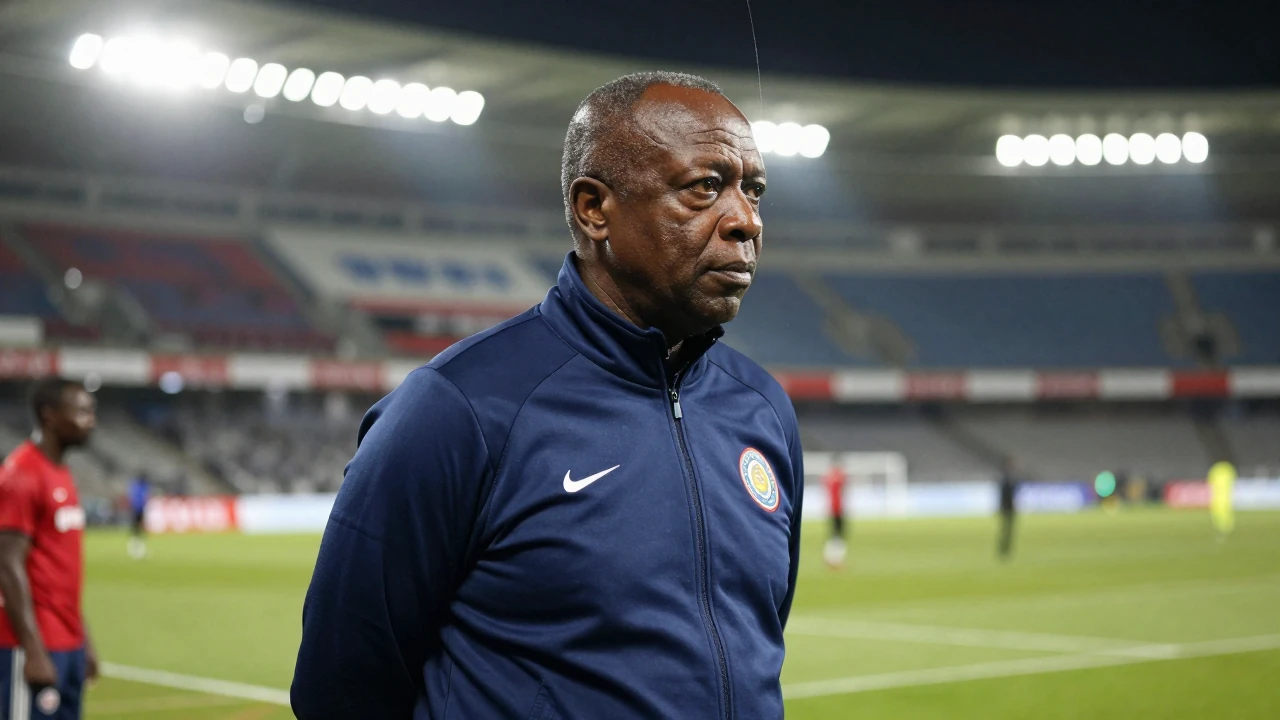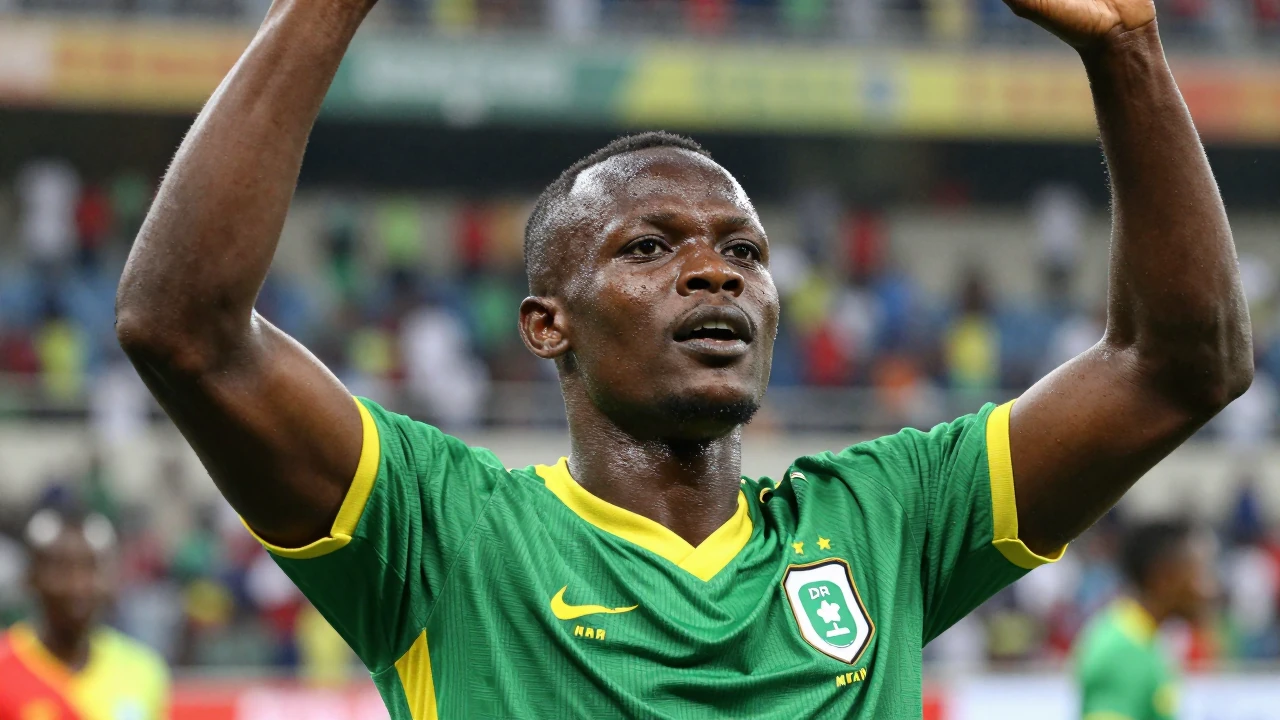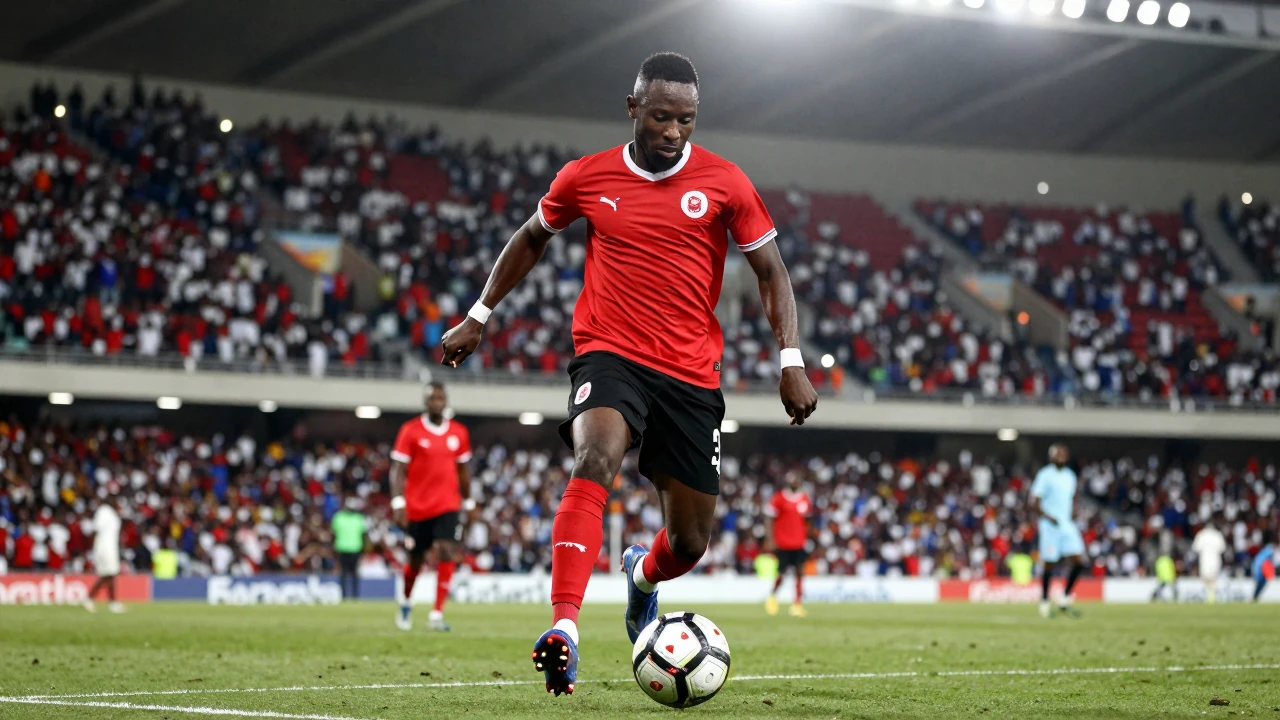
DR Congo's victory over Nigeria in World Cup qualifying has triggered a major leadership crisis in Nigerian football. On Thursday, Nigeria Football Federation (NFF) president Ibrahim Gusau resigned, followed by general secretary Mohammed Sanusi, as reported by ca.sports.yahoo.com.
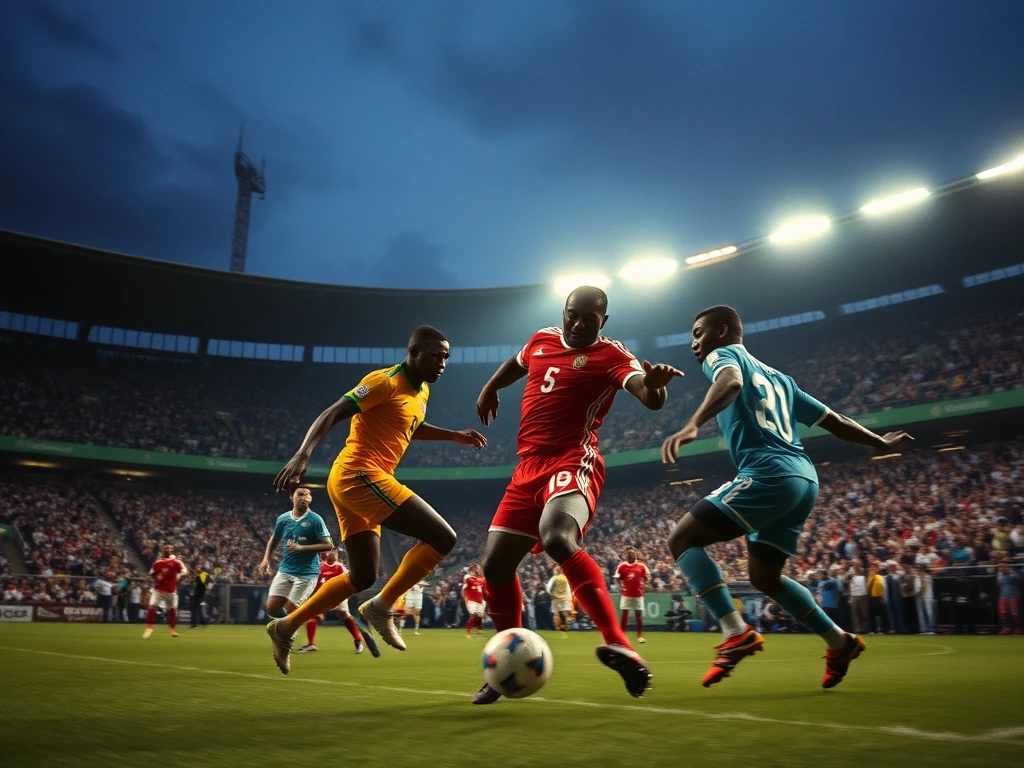
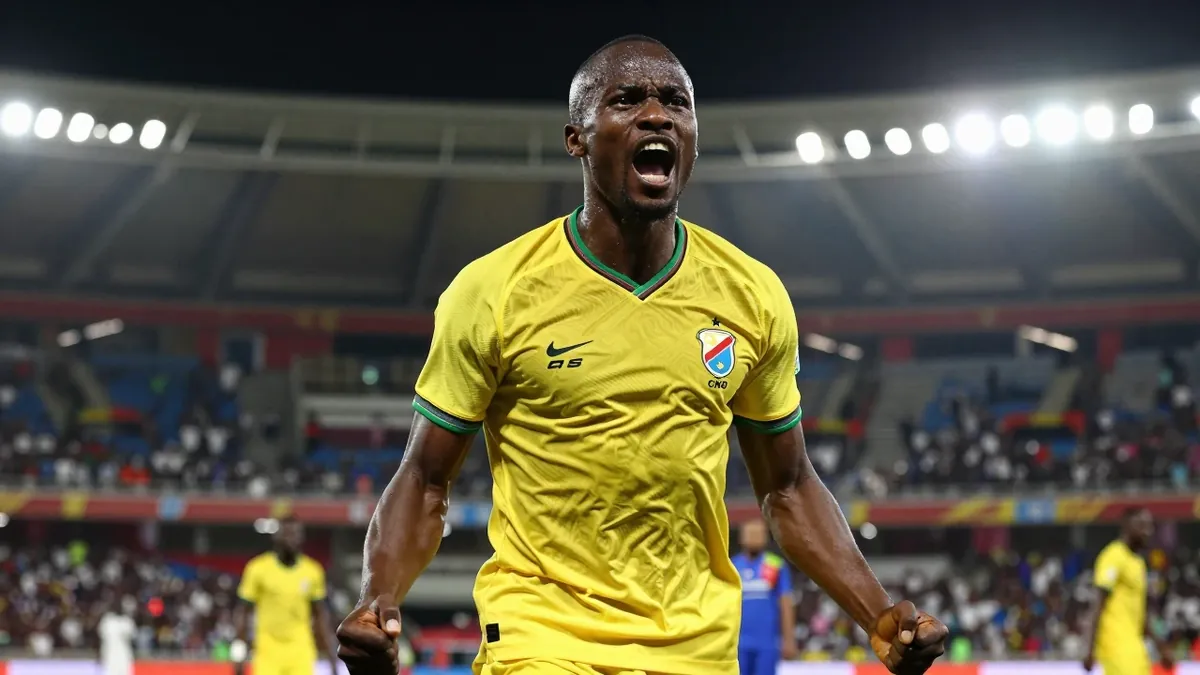
The breaking point came in the decisive playoff for the 2026 World Cup. DR Congo's Leopards beat Nigeria's Super Eagles 4-3 on penalties after a goalless draw. This defeat denied Nigeria, one of Africa's most successful nations, a place at the 2026 World Cup. Simultaneously, the women's team, the Super Falcons, also failed to qualify for the 2027 Women's World Cup, losing 2-1 to South Africa in an intercontinental playoff earlier this month.
Why did the Nigerian football leaders resign?
Ibrahim Gusau, in charge since 2022, explained his decision after consulting with stakeholders and his family. "I made the decision after consulting with stakeholders and family," Gusau said. The pressure became unbearable after the historic failure of both national teams in the same qualifying cycles. The Federation had even launched a fact-finding committee to investigate these recent poor performances. For the Super Falcons, it was especially tough. They had qualified for every Women's World Cup since the tournament began in 1991, a streak that ended abruptly.
What does this mean for DR Congo?
This qualification achieved at Nigeria's expense represents a massive success for the Leopards' project. The national team, under its technical staff, managed to stand up to a nation accustomed to major tournaments. The penalty shootout victory demonstrates steel nerves and meticulous preparation. It allows DR Congo to join the final stage of the 2026 World Cup, where they will face the world's best nations. Congolese fans can now follow their team's journey on our fixtures page and check the national squad composition.
What is next for Nigerian football?
The resignation of the two top officials leaves the NFF in a period of total uncertainty. A transition process must be established to appoint successors. The immediate priority will be to stabilize the institution and prepare for the next qualifying cycles, away from World Cup pressure. The men's team will need to rebuild after this crushing failure, while the women's team will try to regain its usual place on the world stage. The performance of both teams can be analyzed through our comparative stats.
The path to the 2026 World Cup is now set for DR Congo. This qualification, snatched from Nigeria's grasp, marks a turning point for Congolese football and provides a global platform for its talents. The Leopards' journey will be closely watched during the tournament's final phase.