 DR Congo Hub
Introduction
The Democratic Republic of Congo is poised for a triumphant return to the global stage with its national team, the Leopards, gearing up for the 2026 FIFA World Cup. With a budget exceeding $18 million, expectations are high, and preparations are already underway. What does this tournament mean for the country, and how are the players getting ready for this landmark event?
Serious Preparations for an Ambitious Goal
The Leopards are engaged in a rigorous preparation cycle, including intensive training camps and friendly matches. Head coach Jean-Florent Ibenge has implemented a program aimed at strengthening team cohesion and fine-tuning tactics ahead of the big event. The selection is focused on local young talents, integrating players from European and African leagues.
- Key players include Gaël Kakuta, Chancel Mbemba, and Meschak Elia.
- The coaching staff plans overseas training camps to simulate World Cup playing conditions.
- Special emphasis is placed on players' physical and mental preparation.
The team's motivation is palpable, with daily training sessions and in-depth video analyses. Each player is aware of the significance of this competition for the image of Congolese football on the global stage.
A Colossal Budget for Congolese Football
With a budget exceeding $18 million, the Leopards' participation in the 2026 World Cup could have a significant impact on the development of football in the DRC. This amount comes from various sources, including government support and private sponsors. This investment is crucial for enhancing infrastructure and developing young talent.
Potential benefits include: - Improved sports infrastructure. - Creation of training programs for youth. - Better financial support for local clubs.
Participation in the World Cup could also stimulate interest from sponsors and investors, opening new opportunities for Congolese football.
The Challenge of International Competition
The road to the 2026 World Cup will not be without challenges. The Leopards will face high-level teams and must prepare for formidable opponents. The group stage draws, which will determine their adversaries, will be crucial for the team's ambitions.
Historical performances: - In 1974, the DRC (then Zaire) reached the group stage. - In 2015, the team won the Africa Cup of Nations, bolstering its status in African football.
The Leopards must rely on this experience while integrating new talents to hope to compete with the best teams in the world.
Fan Reactions and Social Impact
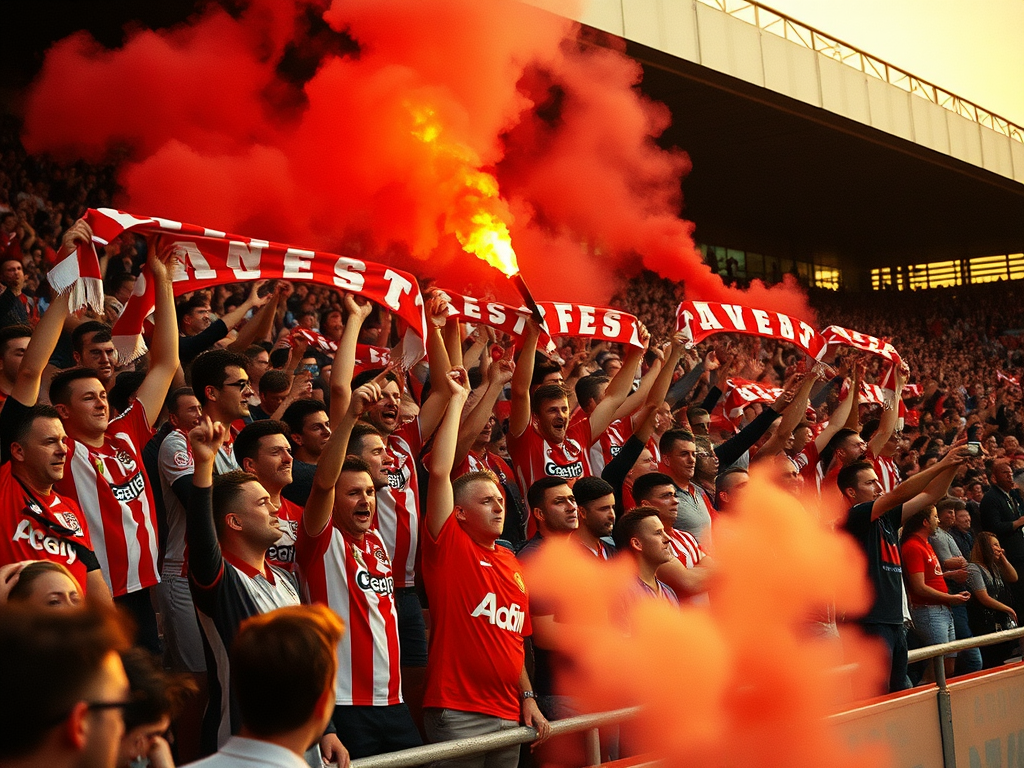
Fan mobilization is essential for the Leopards' journey. Football fans in the DRC are passionate, and their support could play a key role in the team's performance. Social media, particularly Instagram, is flooded with messages of support and enthusiasm as the competition approaches.
Fundraising initiatives and community events are also on the rise, aiming to gather resources to support the team. Local clubs and leagues are organizing events to encourage fan engagement.
What it Means for DR Congo
Participating in the World Cup is a historic moment for the DRC, which has seen its talents often overlooked on the international stage. This is an opportunity for the country to restore its sporting image and showcase the potential of its players to the world. The Leopards represent the hope of a nation seeking global recognition.
The economic fallout could transform the sports landscape by offering new perspectives for young footballers. International visibility could also attract investments in other areas, thus strengthening the local economy.
What's next
As the date for the 2026 World Cup approaches, pressure mounts on the Leopards and their management. Upcoming steps include friendly matches to refine the final tactical details before the big event. The team is determined to prove that it deserves its place among the best in the world.
Fans, for their part, will continue to support their team fervently, hoping to see the Leopards shine on the biggest stage in world football.